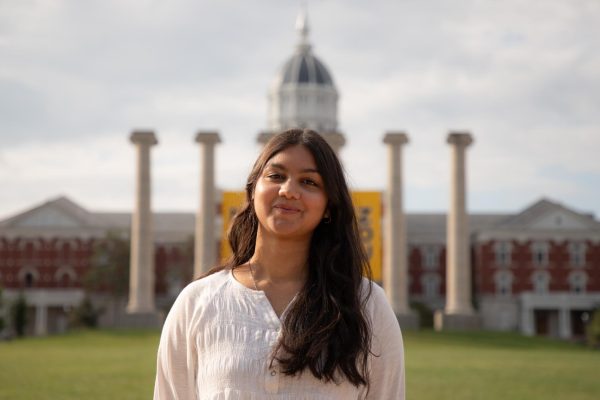
Jewish-American director Leah Galant ruminates over the responsibility of remembering in her documentary “Landscapes of Memory,” which premiered at the 2026 True/False Film Fest. Through the lens of her own life and that of three other artists, the film examines how Jewish and Palestinian memory are intertwined.
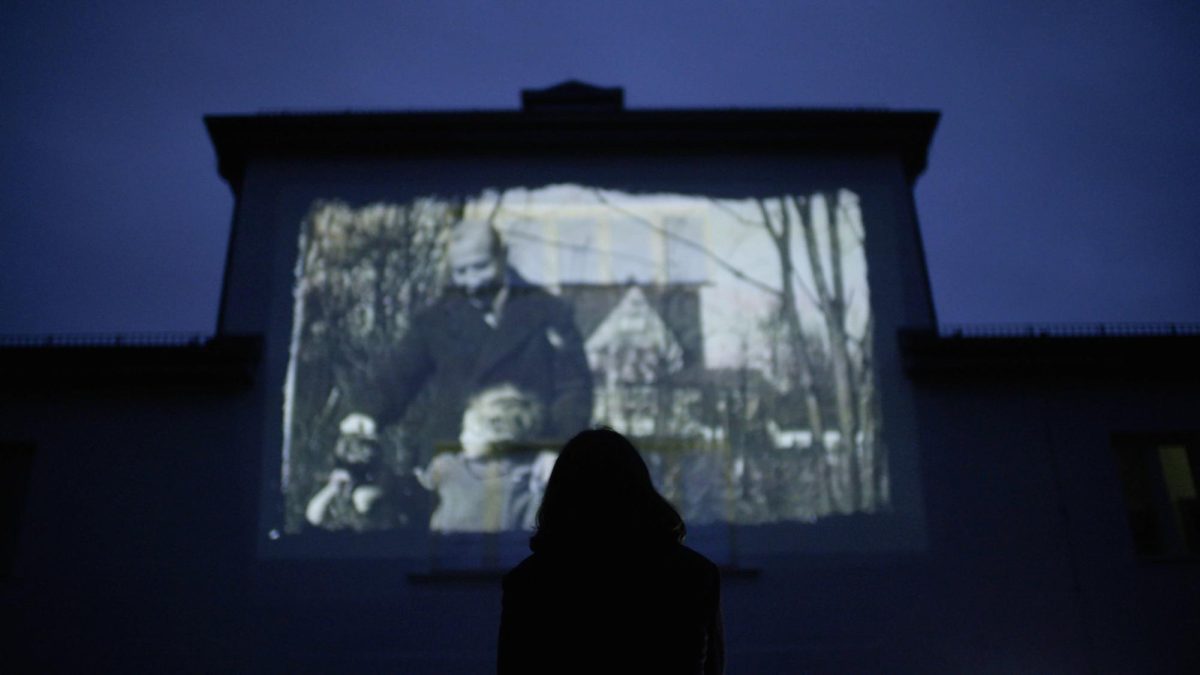
The film begins with archival home videos of Galant as a toddler, taking her first steps — memories captured by her father. In the next shot, adult Galant is flying to Germany to discover her family’s memories on her own.
The documentary features three other artists asking the same questions about their public history. One of these creators is Rasha, an exiled Palestinian artist living in Germany. He creates murals that combine established works of art with his own life, memorializing the grim social parallels of Jewish and Palestinian trauma.
As these stories are told, audience members are able to follow the artist’s timelines through a flurry of montages: institutional islamaphobia in Germany paired next to Galant’s intimate conversations with her dad. As the film captures the lives of these artists before and after the Oct. 7 attacks, Galant continues to explore how the collective Jewish memory is weaponized, criminalizing Palestinians as antisemitic and preventing them from entering public memory.
Galant’s conversations with her dad about the family’s generational pain from the Holocaust, grounds the geopolitical context of the film. In the safe space of the father-daughter discussion, the audience is given a place to reflect on these stories, with them. Galant’s ability to weave multiple story threads together with a simplistic and natural touch, connects various pasts and presents.
The film culminates in the passing of Galant’s father after his struggle with ALS. She commemorates his life by interpreting a Jewish adage: “May his memory be a blessing.” For Galant, and the other artists, their family’s histories should be used to memorialize legacy through action.
The film, like many of the questions it presents, isn’t conclusive. Galant’s emphasis on the intersection of different histories culminates in the question, “If memories don’t change us, what is the point in remembering?” By immersing viewers in these stories, the film inspires us to use our families’ legacies to move toward a better future.