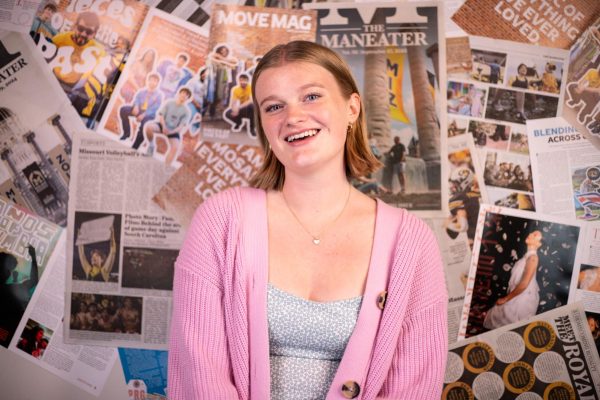
University of Missouri first-year Ella Schmidt is a frequent concertgoer who believes music has created closer bonds between her and her friends.
“I feel like (live music) is a really good way to connect people and bring a community together,” Schmidt said.
Schmidt has been going to concerts, large and small, since she was 15. When she’s not at live events, music finds a way to be a part of her life.
“ I also collect CDs,… I feel like music has been really important to me in general” Schmidt says.
No matter how huge of music fan you are, getting good tickets can be stressful, something many who have attended a major concert in the last five or so years can attest to.
The Ticketmaster wars
The ticket market has become incredibly competitive because of resellers and the growing popularity of artists tours. Major current tour like Taylor Swift, Beyoncé and Bruno Mars have continued to grow. According to Forbes, Bruno Mars’ “The Romantic Tour” sold 2.1 million tickets in one day.
Mars’ venues can only seat so many people, so the demand for resale is growing higher and higher. Plus, with the release of his new album, his popularity has only grown. Many ticket resellers are profiting from Mars’ growing popularity.
However, reselling tickets has been popular for a while. People will buy a large number of tickets during presales, then resell those tickets for extraordinarily high prices closer to the concert date. The problem is that there is always someone on the other end willing to pay the price for these popular artists.
Some major artists are fighting back against these tactics.
“An artist that I really like ended up making it so on Ticketmaster, once you buy a ticket, you can’t resell it for a higher price, which really makes resellers and people like that steer away from those tickets because they’re not going to earn anything from it,” Schmidt said. “So people who genuinely enjoy the artists can go see the concert and not worry about high prices.”
Despite there being an obvious desire from fans to see big tours like Mars, smaller venue like music halls incapable of hosting such large artists, are fading. More and more of the smaller artists’ audiences who would be attending their concerts are hopping on the bandwagon of these larger tours. And those loyal to the smaller venues still loose when the venue is no longer able to fight against larger buyers looking to buy out the land. While larger venues can usually fight back, the smaller ones can’t.
Making space in a digital age
As larger artists continue to grow, smaller bands and cover bands seem to be getting left in the dust. The music halls and performance venues where small artists perform are shrinking and becoming less available. While more and more artists are impacted, this is not a new issue. According to The Music Venue Trust, 16% of the U.K.’s grassroots venues have shut down in 2023. Another 38% suffered a financial loss.
But it isn’t like music is going out of style. In 2023, Spotify introduced a new way to listen to music: Jam Sessions. One user can listen to their playlist, and their friends on Spotify can join in and queue music they want to listen to as well. According to Spotify, listeners on Jam Sessions racked up 100 million monthly listening hours as of August 2025.
So if digital jam sessions are flourishing, why aren’t in-person ones? It boils down to convenience, competition and pricing.
Finding niche artists and concerts that are “worth your money” is daunting. Taylor Swift is popularly recognized as a good performer. Swift and many other artists are artists who concertgoers believe are almost guaranteed to put on a good show. Swift has been performing and making music for nearly 20 years, so she has the experience and background to give the audience what they want. Smaller artists could seem like a gamble to many.
Why it’s important to support live music
So why should one care that the crummy music hall in their town shut down? All they ever had were indie artists and unknown bands.
That, right there, is the issue. It’s those small artists who play in those crummy music halls that have the potential to get huge. Where do you think Taylor Swift started out? She was scouted in a small cafe in Nashville.
Smaller venues are opportunities. They give artists of all shapes and sizes a platform to share their work. Without these platforms, we will be caught in an endless loop of the same major artists on yet another tour.
Supporting these smaller venues and artists is vital to keeping the music industry not only alive, but filled with diverse artistry and stories.